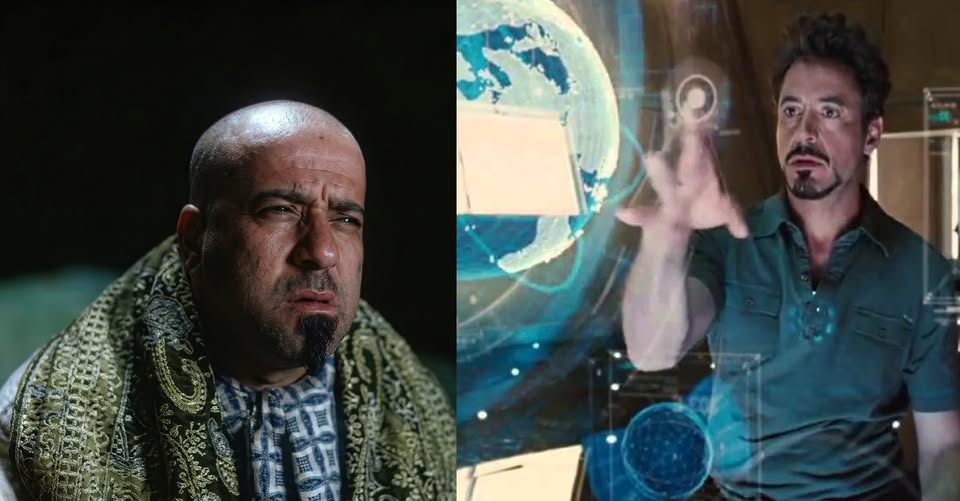
I am two people. Not in a dramatic, split-personality way — in the daily, exhausting, completely ordinary way that anyone with ADHD knows intimately. Two brains sharing one skull. Two operating systems running simultaneously on incompatible code.
The first brain is Tony Stark's brain. Iron Man's brain. The one that sees everything at once — a massive surge of connections, patterns, ideas, and possibilities lighting up all at the same moment. A lightning bolt illuminating an entire city in a single flash. That brain can build a suit of armor in a cave with a box of scraps. It can hold fifteen threads of thought simultaneously and find the one connection nobody else noticed.
The second brain is Dory's brain. The one that swam into the room with tremendous purpose and enthusiasm — and by the time it arrived, had completely forgotten why.
The Lightning Bolt Problem
Here's what nobody tells you about the Iron Man brain: a lightning bolt doesn't illuminate a city for long. It's brilliant, total, and gone in an instant. And in the darkness that follows, you're left trying to remember what you saw.
This is hyperfocus — the ADHD superpower that everyone talks about. The ability to lock onto something with such intensity that hours disappear, meals are skipped, and the rest of the world simply stops existing. When it works, it's extraordinary. When a deadline needs hitting or a problem needs solving, the Iron Man brain is the most powerful engine in the room.
A lightning bolt illuminates everything — and then it's gone. The ADHD brain lives in the flash and the darkness equally.
But you don't get to choose when the bolt strikes. You don't get to aim it. It lands where it lands — on the YouTube rabbit hole, on the fascinating documentary about deep-sea fish, on the perfect way to reorganize a bookshelf — and it doesn't land on the tax return due tomorrow.
That's the part nobody talks about. The Iron Man brain is brilliant and completely unsteerable.
Meanwhile, Dory
The Dory brain isn't stupid. This is the most important thing to understand. Dory is curious, warm, enthusiastic, and genuinely trying. She's not failing on purpose. She simply has no reliable access to what she knew five minutes ago.
In ADHD terms, this is working memory deficit. The mental whiteboard that neurotypical brains use to hold information — the grocery list, the plan for the day, the reason you walked into the kitchen — is smaller, less stable, and gets wiped more easily. The information was there. It just didn't stick.
Dory isn't failing on purpose. She's genuinely trying with a whiteboard that gets erased every few minutes.
The cruel combination
Put these two brains together and you get the specific torture of ADHD: a mind capable of extraordinary depth and connection, paired with an unreliable filing system. You can see the insight clearly. You open your mouth to say it and it's gone. You had a plan. You remember having a plan. The plan itself has vanished.
The Iron Man brain generates. The Dory brain loses. And the person in the middle — you — spends enormous energy trying to bridge between them.
What This Actually Means
Understanding this split changes how you approach your own brain. The goal isn't to become more neurotypical — to turn off the Iron Man brain and install a more reliable filing system. That's not available. What's available is building external structures that do what the Dory brain can't do internally.
Write things down the moment they appear — not later, not in a minute, now. The whiteboard gets wiped. The notebook doesn't. Use systems that require zero working memory to operate: the same place for keys, the same routine for mornings, the same trigger for the task you always forget.
And for the Iron Man brain: give it a container. A time limit. A specific problem. An unsteerable lightning bolt becomes slightly more useful when the storm has boundaries.
I still lose things. I still forget why I walked into rooms. I still have days where the lightning bolt lands somewhere completely useless and I can't drag it back.
But I've stopped waiting to become the person with one brain. I am two. The trick — the only trick — is building a life where both of them can show up without destroying each other.